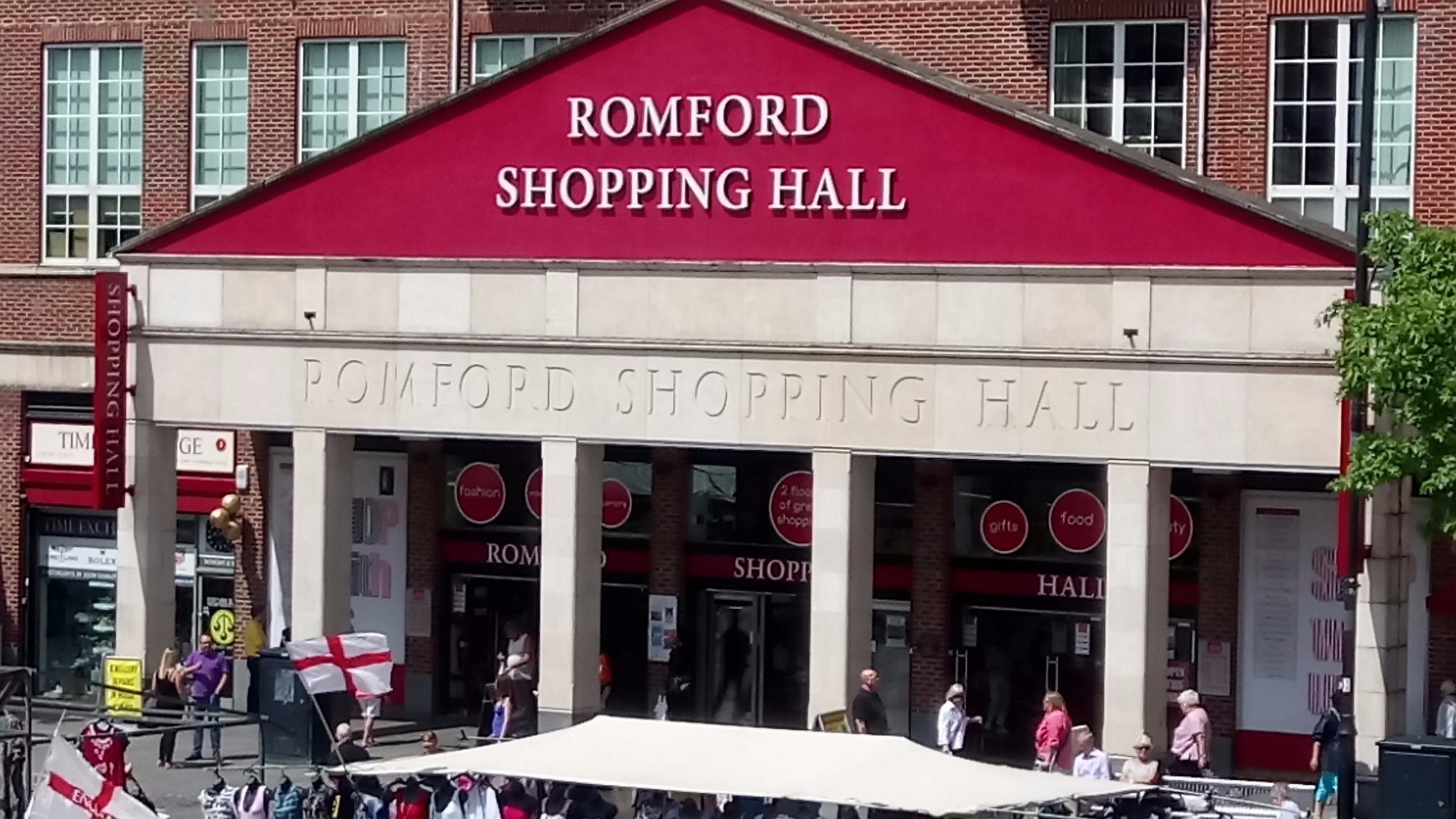
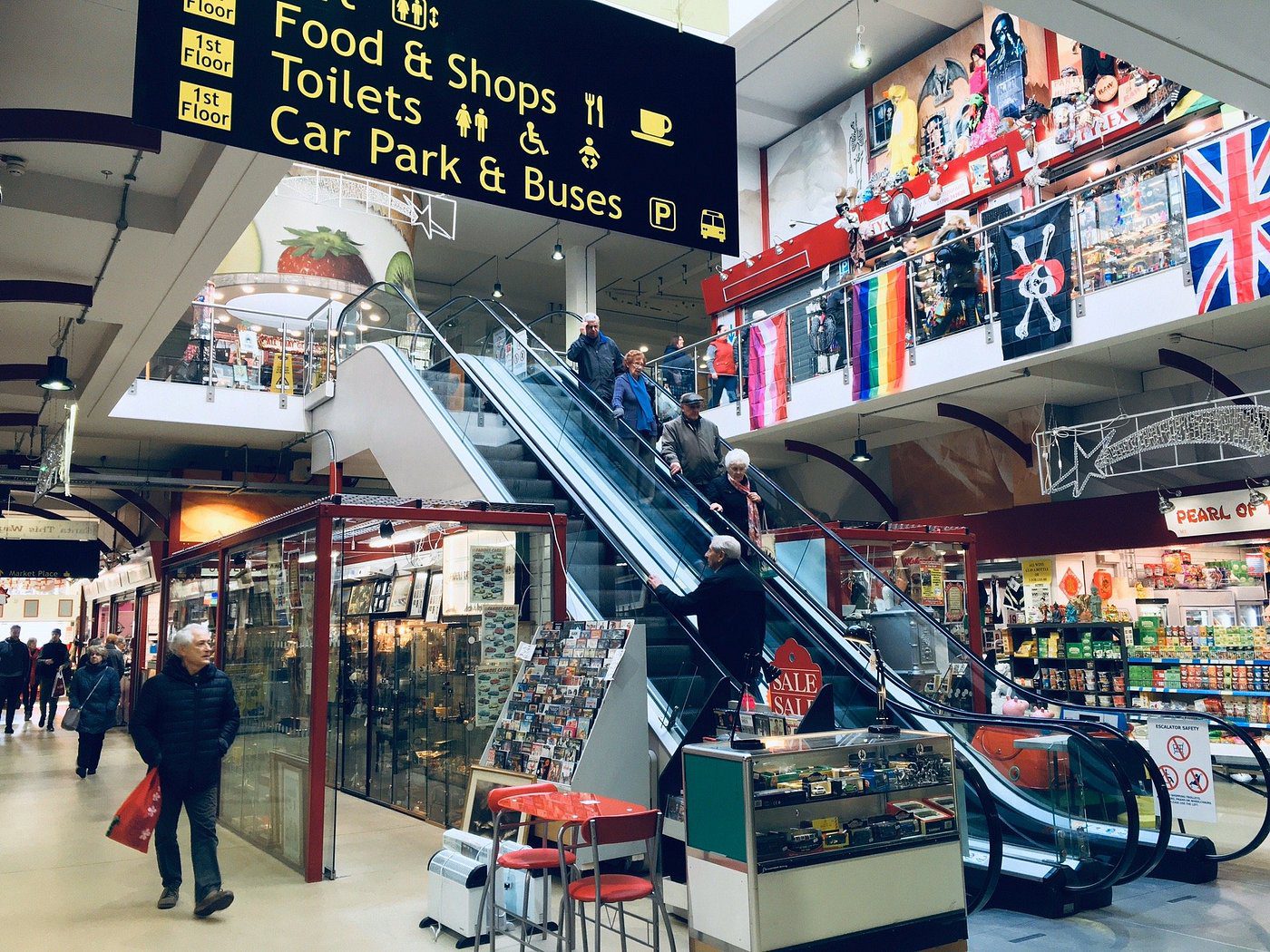
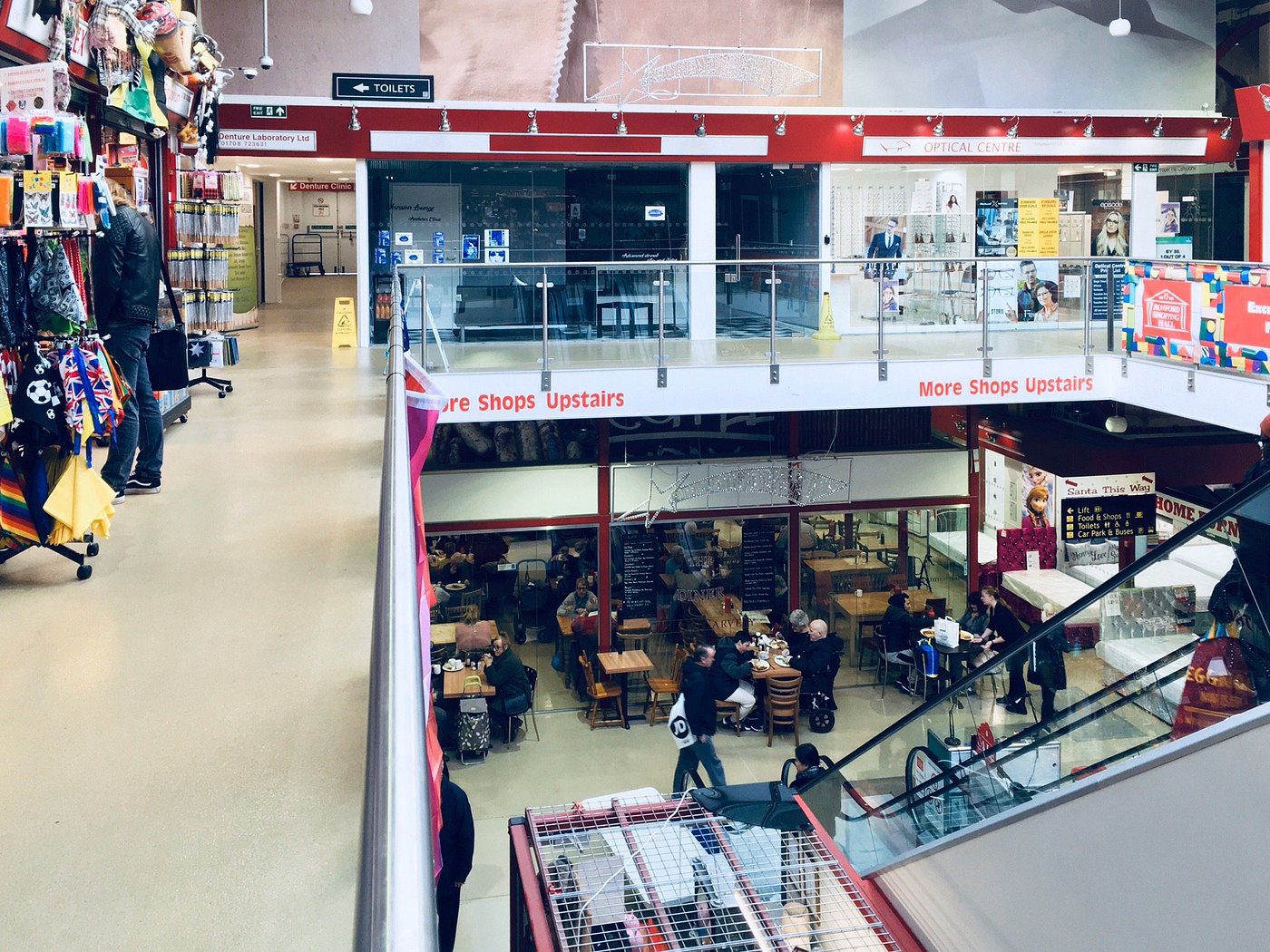
Romford Shopping Centre refurbishment (2025)
What was the client and the project?
Our Client was a steelwork and metalwork fabricator and supplier who had no previous experience of subcontracting.
However, on this project they had accepted a supply & installation order from a shopfitting contractor with a mixed scope of works including full refurbishment of an existing staircase plus demolition of existing steel structures and the installation of a new glass canopy.
What was the challenge?
Our Client received a Purchase Order (PO) in April 2025 which was later retracted. A fresh PO covering the same scope of works was issued in May 2025. In early July they received a subcontract order, stating a completion date in late August. The three documents all referred to varying degrees of design responsibility resting with our Client.
We were first contacted in early August, via a recommendation from two mutual contacts, by which time our Client’s scope of work had been subjected to significant Employers Requirement changes, resulting in additional cost incurrence, which was being rejected by the shopfitting contractor. Our Client was, as a result, facing significant cash-flow constraints and was desperate for a significant variation payment in order to pay their suppliers and subcontractors.
Furthermore, the extensive design changes had resulted in critical package delays, for which our Client was being blamed and threatened regarding potential levy of damages.
What were the financial or operational risks?
Firstly, our Client was not familiar with undertaking subcontracting works, having always previously worked on a supply-only basis. As such our Client had been ‘led down the garden path’ by the contractor, being asked to focus on their performance whilst worrying about the financial implications associated with changes and delays further down the line.
Secondly, there was no clarity as to whether our Client was working to a purchase order or a subcontract order and most importantly there was no clarity as to their ultimate design obligations.
Our Client had no experience of the protracted ‘saga’ involved in variation recovery and was basically being exploited by the contractor as an easy ‘weakest-link’ target.
The very real risk was that the contractor would continue to starve our Client of their variation entitlement resulting in a potential cessation of trading.
What action did LMA take?
LMA’s remit was limited by the fact that by the time our Client had contacted us, they were so ‘cash-strapped’ that they could only pay a nominal sum to cover our advice ~ basically we were brought in too late.
- LMA reviewed the various contract documents and advised our Client to challenge the onerous subcontract terms contained therein.
- LMA advised our Client how to compile the necessary Extension of Time notices
- And how to set-out the design development variation account.
- Our Client duly followed our lead but really needed us to front-up the negotiations with the contractor.
Following this:
- LMA subsequently continued to liaise with our Client, albeit on a free-of-charge basis, as they couldn’t afford to pay us, so as to assist them regarding the best strategy to recover their entitlement.
- LMA also recommended to our Client that they take their dispute to third-party adjudication.
- Unfortunately, by then our Client had completed their scope of works and lost all bargaining-power with the contractor and was being starved of cash and as such was not in a financially secure position to undertake a potentially expensive adjudication.
What was the measurable outcome?
- Basically, the steelwork specialist brought us in too late
- Especially when they were venturing into the ‘murky’ subcontracting world for the very first time
- And by time they did get us involved the damage was already done.
- We would have protected their position contractually from the outset and made sure that they received their additional entitlements in a timely, regular, manner.
- Our Client accepts that they were naïve and wishes they’d known us earlier.
- That said, we managed to assist our Client by putting them on the front foot and receiving an acknowledgement from the contractor that they had a significant variation entitlement.
- We in turn were really disappointed that it was all too late, as we hate to see good people getting ‘turned over.’
This project demonstrates LMA’s ability to:
- Get involved so very late in the day but make a meaningful, positive impact despite all the significant ‘roadblocks’ that we were faced with.
- To use our best endeavours to assist a worthy Client despite them being unable to pay us.
- To put our Client on the ‘front-foot’ with regards to final account negotiations.